Category
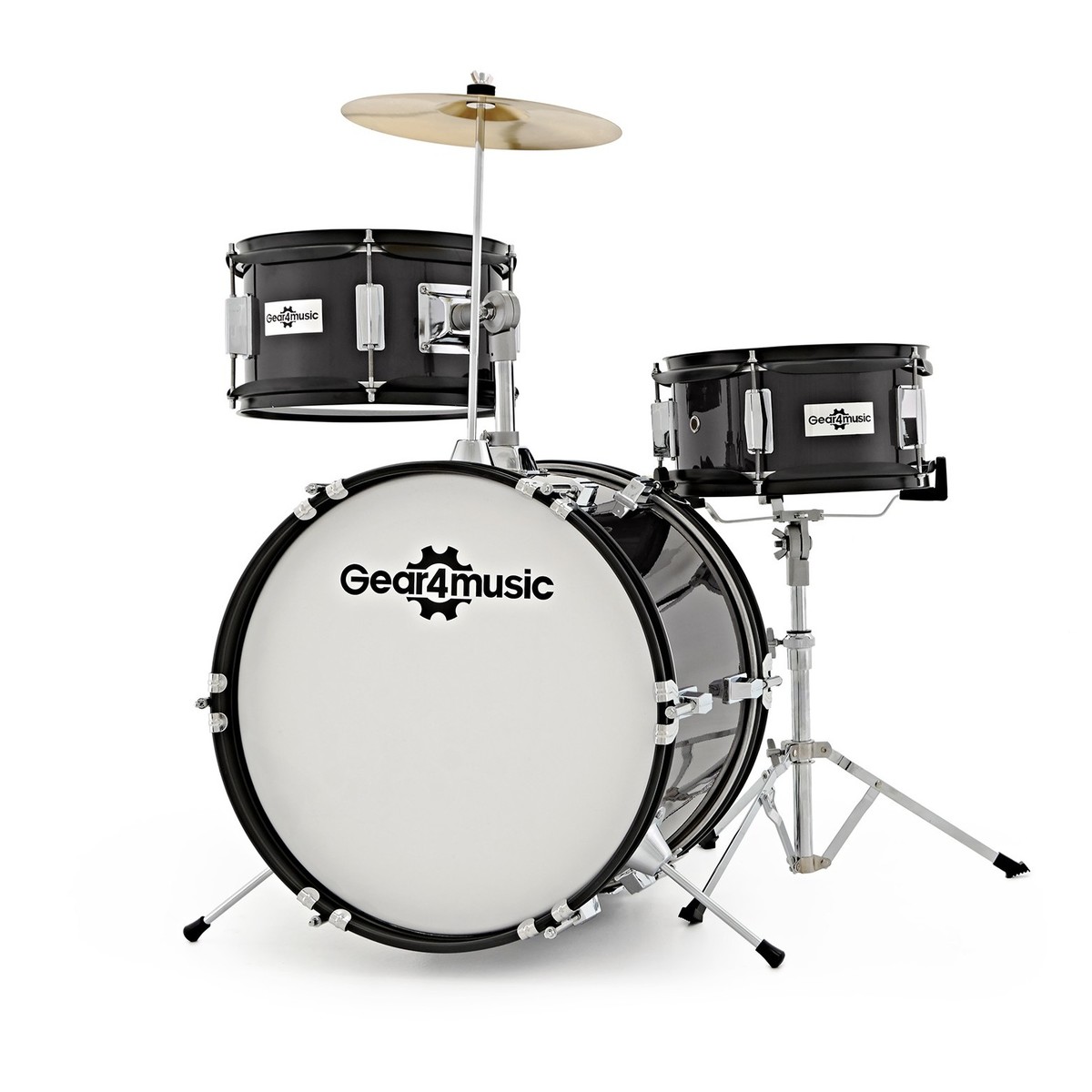
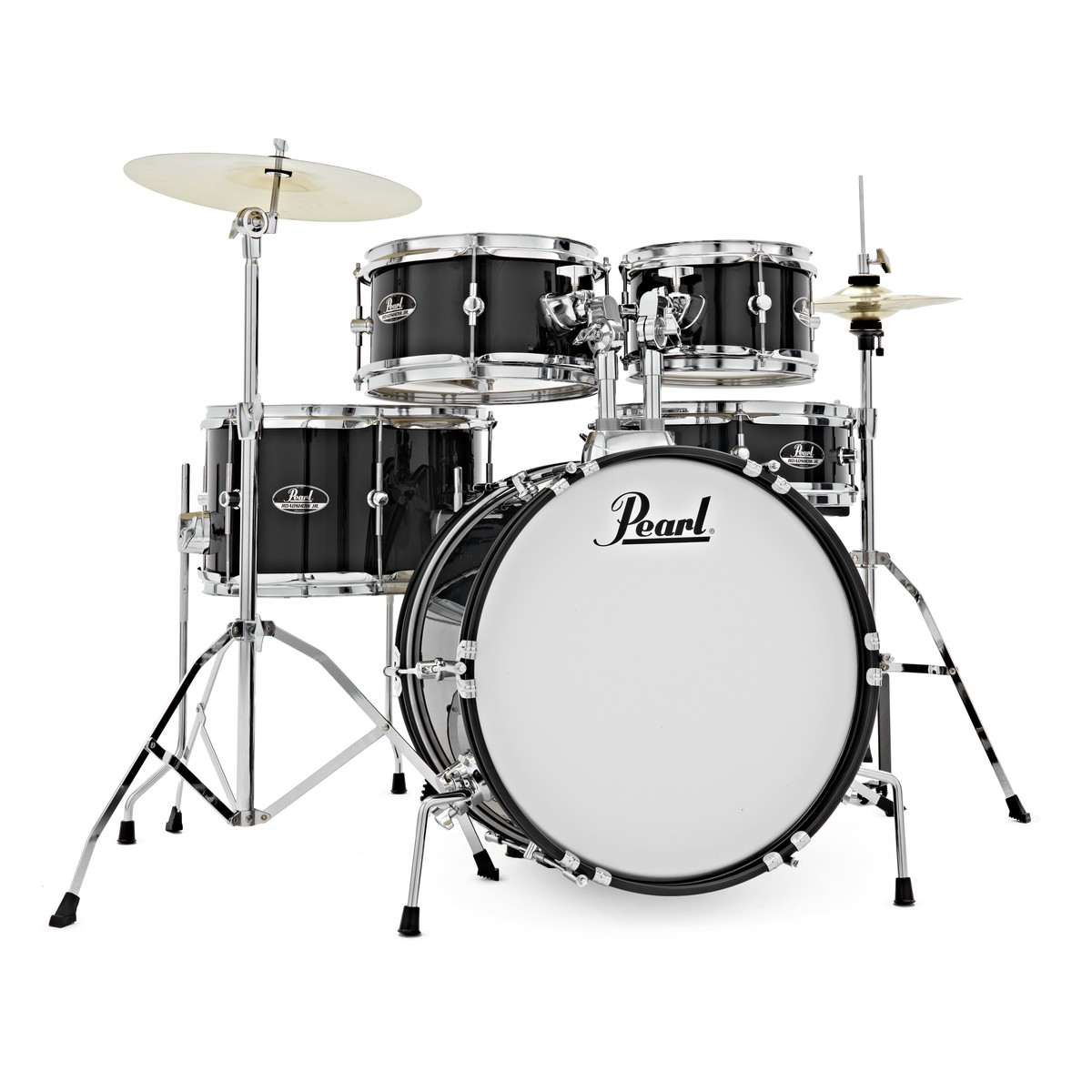
Drums are the rhythmic backbone of modern music, providing pulse, energy, and structure across countless styles and genres. From acoustic drum kits and marching drums to hand percussion and electronic systems, drums are designed to be played physically and expressively, responding directly to touch, technique, and dynamics.
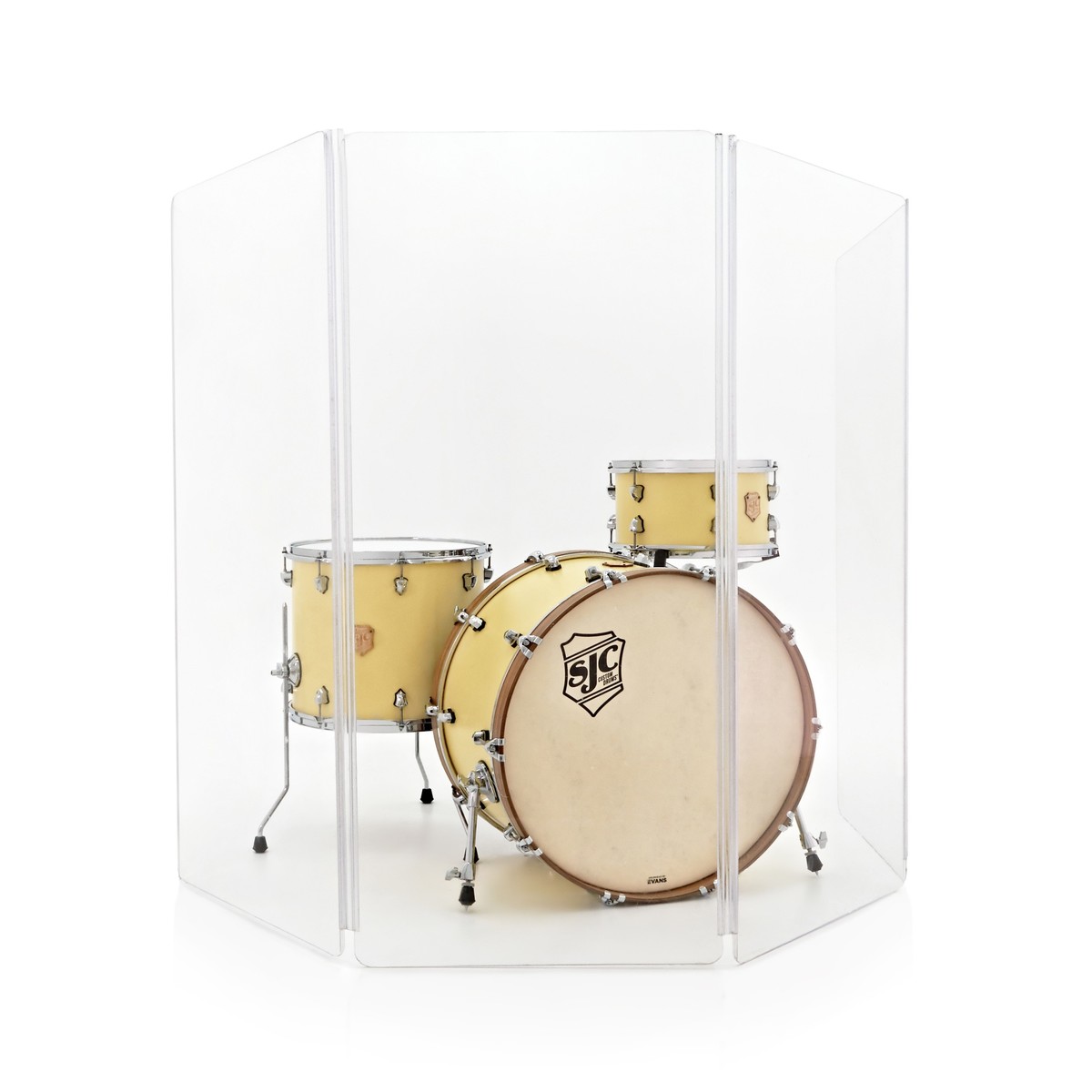
Acoustic drums are built from shells, heads, and hardware that work together to shape tone, volume, and sustain. Different sizes, materials, and tunings allow drummers to create sounds ranging from deep and powerful to tight and articulate. Electronic drums expand this further by offering volume control, sound variety, and integration with recording and digital music systems.
Drums are used in live performance, recording, education, and practice, making them one of the most versatile instrument families in music. Whether played softly or with force, alone or as part of a full band, drums play a central role in driving rhythm, supporting musicians, and shaping the feel of a piece of music.
Tags
A drum kit brings together multiple drums and cymbals to create a single playable instrument that drives rhythm and structure in music. Each part of the kit works together to provide pulse, dynamics, accents, and movement, allowing the drummer to shape groove, timing, and energy. A well-matched drum kit supports consistent playing, clear musical expression, and the ability to adapt to different styles and performance settings.
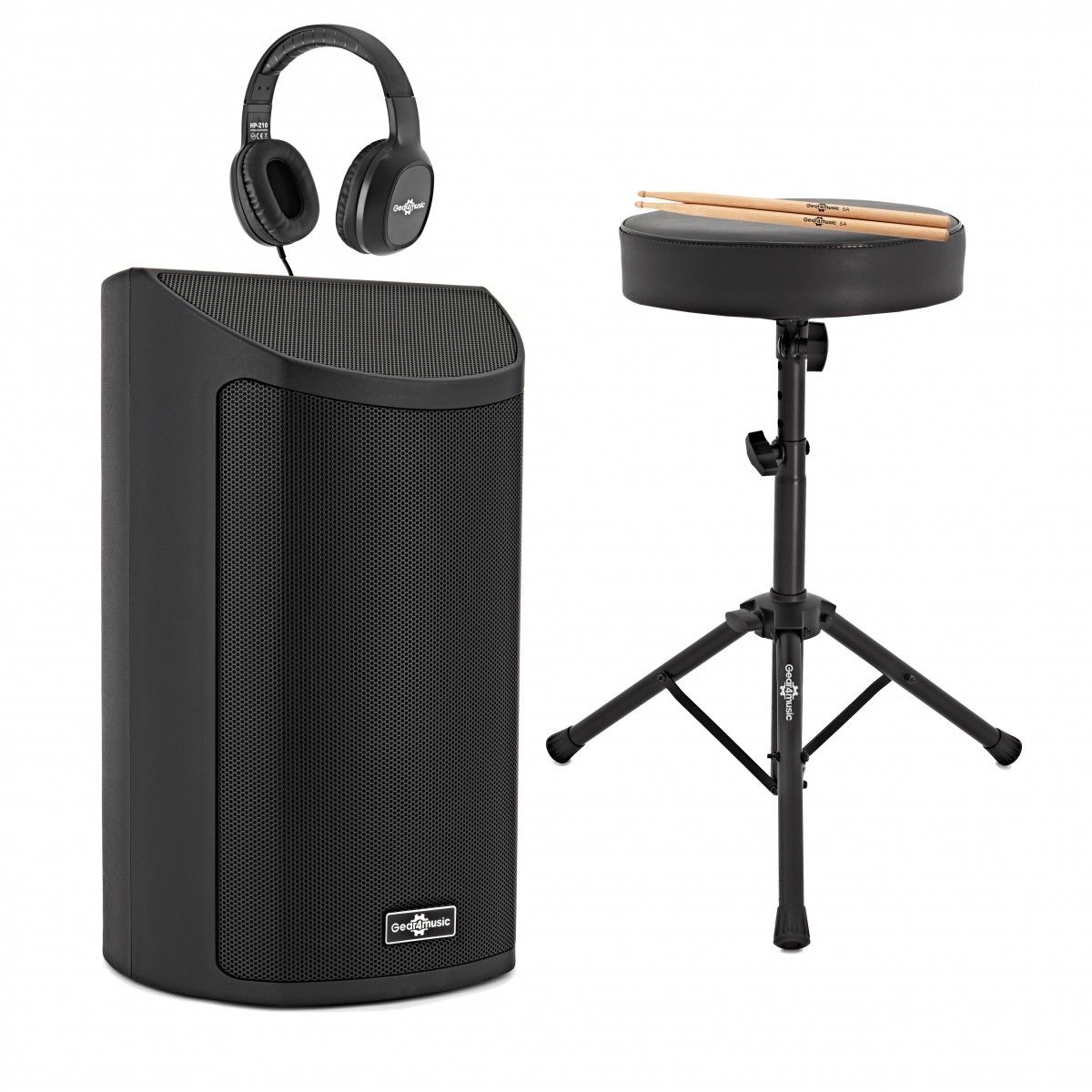
Electronic in a drumming context refers to instruments and equipment that generate or trigger sounds digitally rather than acoustically. This includes electronic drum kits, drum modules, pads, triggers, and hybrid setups that combine electronic sounds with acoustic drums. Electronic gear allows for volume control, sound variety, recording integration, and flexible performance options, making it especially useful for practice, home studios, live shows, and modern music production.