

Practical ways to reduce drum noise and vibration at home, from agreed practice times and drum mutes to low-volume cymbals and electronic kits.
Drums are supposed to be heard, which is precisely the problem when the person hearing them is trying to work, settle a baby or enjoy a quiet evening next door.
The solution is rarely one miracle product. Drum noise reaches other people in two different ways: sound travels through the air, while physical impacts from pedals, stands and bass drums travel through floors and walls. A successful home setup reduces both and combines that with sensible practice times.
JustDrums may earn a small commission when you purchase through links on this page. This does not affect the price you pay.
1. Agree when you are going to play
The cheapest and often most effective noise-control measure is a conversation. Ask the people affected which times cause the least disruption and agree a reasonable practice window. A predictable half hour in the afternoon is usually easier to live with than sudden drumming at any point in the day.
Keep sessions focused. Ten minutes on a practice pad followed by twenty minutes on the kit can achieve more than an unfocused hour at full volume. If the neighbour has an important meeting, a sleeping child or a night shift, swapping one session is easier than repairing a damaged relationship.
2. Put the kit in the least troublesome room
Avoid positioning the kit directly against a shared wall or above somebody’s bedroom or living room when another location is possible. An internal ground-floor room is generally easier to manage than an upstairs room attached to the building’s structure.
Close doors and windows while playing. Heavy curtains, carpet, bookcases and other soft or irregular furnishings can reduce harsh reflections inside the room. They may make the kit sound less aggressive, but they do not turn the room into a soundproof booth.
3. Do not confuse acoustic foam with soundproofing
The wedge-shaped foam seen on studio walls is mainly an acoustic treatment. It absorbs reflections and reduces echo inside the room; it does not add the mass or structural separation needed to stop bass drum and cymbal sound passing through a wall.
True soundproofing normally involves construction: sealing air gaps, adding mass and creating separation between surfaces. That can be effective, but it is a building project rather than a pack of foam tiles. Before spending heavily, start with the instrument itself and the vibration paths under it.
4. Use a practice pad for technique work
A practice pad is ideal for rudiments, timing, stick control and warm-ups. It cannot replace the coordination of a full kit, but it lets a drummer complete a large part of a useful daily routine at a much lower level.
Place the pad on a proper stand or a solid surface that does not act like a sounding board. A hollow desk can make a small pad surprisingly audible in the next room.
5. Fit mutes to an acoustic kit
Rubber silencing pads sit on top of ordinary drumheads and cymbals. They are quick to fit, relatively affordable and useful when the same kit must switch between normal and quiet practice.
The trade-off is feel and tone. A mute changes the rebound and removes much of the acoustic character, so it is best treated as a practical practice tool rather than a quiet version of a performance setup. Make sure the pack matches the sizes of your bass drum, toms, snare and cymbals.
6. Use mesh heads and low-volume cymbals
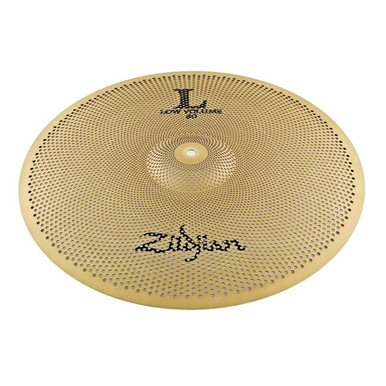
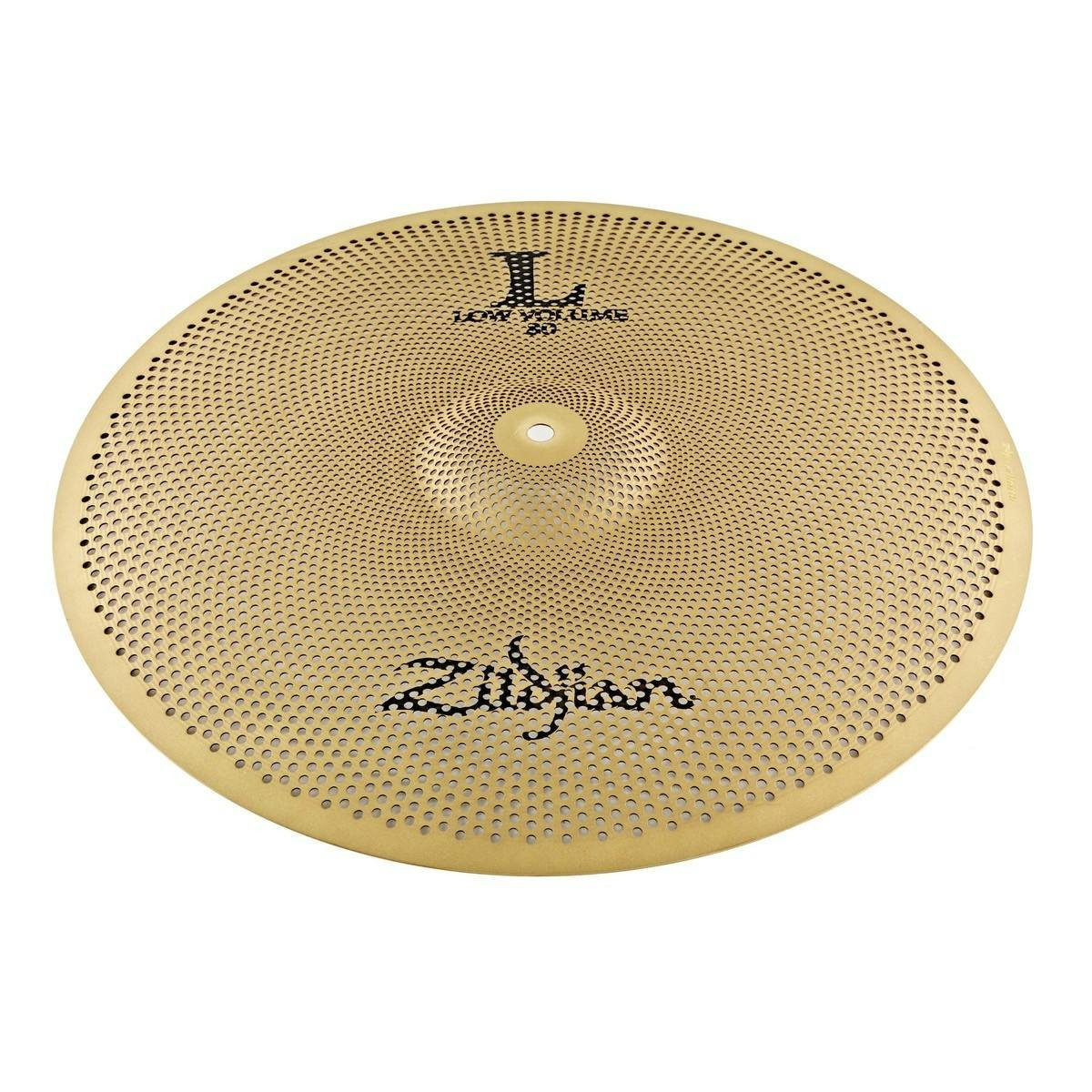
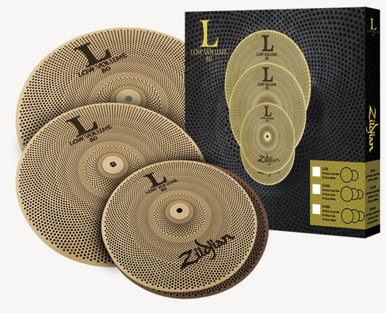
For a more convincing quiet acoustic setup, replace standard batter heads with mesh practice heads and ordinary cymbals with perforated low-volume models. Mesh heads reduce the sound produced by the shells, while low-volume cymbals retain more of the movement and positioning of metal cymbals without their normal projection.
This costs more than a set of rubber mutes and requires changing or retuning heads when returning the kit to full volume. In exchange, the playing experience is generally more natural. Zildjian describes its L80 range as up to 80 per cent quieter than traditional cymbals, although the sound travelling through a particular home will still depend on the room and building.


7. Choose an electronic kit, but remember the floor
An electronic kit played through headphones removes the loud acoustic drum and cymbal sound, making it the most convenient choice for many homes. Mesh pads are usually quieter under the sticks than hard rubber pads.
However, the kick pedal, kick tower and hi-hat controller can transmit repeated thumps into the floor. This can be more troublesome to somebody below than the tapping heard in the drummer’s room. Put the kit on a substantial drum mat and, in flats or upstairs rooms, use purpose-built vibration-isolation boards or a properly designed isolation platform.
Roland’s NE-10 board sits beneath a kick pedal or kick pad, while NE-1 isolation feet are intended for compatible stands. The company states that the combined Noise Eater system can reduce transferred noise and vibration by approximately 75 per cent.
8. If noise is critical, consider a complete quiet-design kit
Most electronic kits were designed primarily for triggering sounds, with lower acoustic volume as a useful side effect. The Roland VQD106 takes a different approach: its pads, stand, kick system and pedal bases are designed together to reduce pad impact and structure-borne vibration.
Roland reports up to 75 per cent less playing noise than a conventional V-Drums kit. It is a significant investment, but it may be more practical than buying an ordinary electronic kit and then trying to solve each source of vibration separately.
A sensible quiet-practice plan
For the lowest budget, agree practice times and move most hand work to a practice pad. To quieten an existing acoustic kit, begin with mutes, then consider mesh heads and low-volume cymbals if you want a more natural feel. For headphone practice, choose an electronic kit but isolate its pedals from the floor. In the most noise-sensitive building, a complete quiet-design electronic system offers the strongest ready-made solution.
There is no completely silent drum kit, and no product removes the need for consideration. The aim is to make regular practice possible without making somebody else organise their life around it.
Browse drum noise-control equipment, compare practice pads, or see our guide to the best electronic drum kits in 2026.